
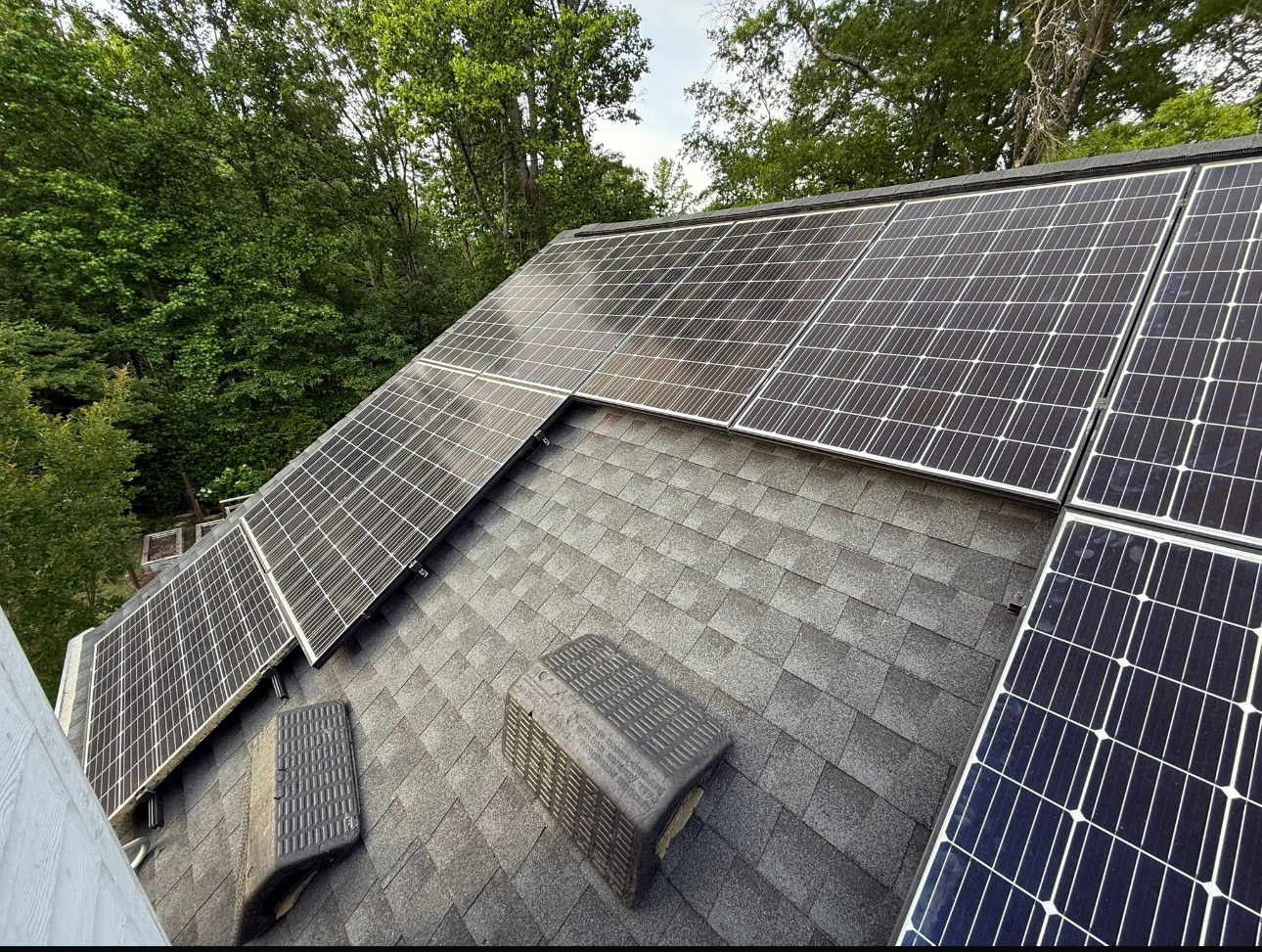
What Happens on Solar Installation Day?
Going solar is exciting, but many homeowners ask: what happens on solar installation day? Understanding what happens on solar installation day is crucial for a smooth transition. From your first site evaluation to finally flipping the switch, the process is more straightforward than most expect. At Green Leaf Energy Brokers, we guide you through every step so you feel prepared, confident, and ready to enjoy the savings that solar brings.
In this article, we’ll break down how solar panel installation works—phase by phase—so you know exactly what to expect.
1. Pre-Installation: Site Evaluation and Design
Before any solar panels are installed, a professional site evaluation takes place. Your solar provider will:
- Inspect your roof and electrical system to ensure they can handle solar
- Measure sunlight exposure and check for shading issues
- Create a custom solar design and layout that fits your roof and energy needs
- Submit required permits and paperwork to your local city or utility
📁 This pre-installation process typically takes 1–4 weeks, depending on local permitting timelines.
2. Delivery of Equipment
A few days before installation, your solar panels, inverters, and mounting equipment will arrive.
✅ Pro tip: Clear space in your driveway or garage to give the crew easy access for unloading and staging equipment.
3. Installation Day (1–3 Days)
When installation day arrives, the solar crew sets up your system with precision. Here’s what typically happens:
- Safety measures installed (ladders, harnesses, temporary barriers)
- Roof racking mounted securely
- Solar panels attached and wired
- Inverter installed and connected
- System tied into your home’s electrical panel
- Monitoring system set up for performance tracking
🛠️ Most residential solar panel installations take 1–3 days, weather permitting.
4. Post-Installation Inspection
Once panels are installed, your system must pass inspection. A city or utility inspector will:
- Verify the system meets all building and electrical codes
- Approve the final grid connection
🔍 This inspection usually occurs within 5–10 business days.
5. Permission to Operate (PTO)
After inspection, your utility company will issue Permission to Operate (PTO). This is the official green light for your system to go live.
💡 Depending on your state and utility, PTO may take 1–3 weeks. Once granted, your home will officially start generating clean solar power.
6. Solar Monitoring and Support
Today’s solar systems come with mobile apps that allow you to:
- Track solar energy production in real time
- Monitor electricity savings and environmental impact
- Receive alerts for maintenance needs
Common platforms include Enphase and SolarEdge, which make it easy to see exactly how much energy your panels produce each day.
7. Post-Install Consultation
A reputable installer, like Green Leaf Energy Brokers, will sit down with you after installation to ensure everything is clear:
- Review your system’s performance expectations
- Teach you how to read and use your monitoring app
- Answer questions about billing, net metering, and warranties
What You Won’t Have to Worry About
- Noise or disruption: Solar installation is surprisingly quiet compared to other home projects.
- Roof damage: Certified installers protect your roof and seal all mounting points.
- System failure: Most solar panels carry warranties, with inverters and equipment covered for long-term performance.
Conclusion
Getting solar panels installed is simple when you know what to expect. From evaluation to inspection to finally powering up, Green Leaf Energy Brokers ensures your installation is professional, smooth, and stress-free.
⚡ Ready to Power Up?
Start your solar journey today. Contact Green Leaf Energy Brokers for a free site evaluation and see how solar can save you money while increasing your home’s value.